Waste disposal laws for Maida Vale removals and donations
If you are planning a move in Maida Vale, the rules around waste, donations, and disposal can feel oddly complicated for something that seems so simple on the surface. One minute you are clearing a loft or a spare room, the next you are wondering whether that old sofa can be donated, whether a broken kettle counts as waste, and who is legally responsible if something gets dumped improperly. That is exactly where waste disposal laws for Maida Vale removals and donations matter.
Handled well, the process is smooth, tidy, and fair to everyone involved. Handled badly, it can lead to fly-tipping risk, refused collections, awkward delays on moving day, and even unnecessary costs. This guide breaks it all down in plain English: what the law expects, how removals and donations should work in practice, where the common traps are, and how to keep your move compliant without turning it into a paperwork marathon. Truth be told, most people just want the old stuff gone. Fair enough. The trick is doing that the right way.
Table of Contents
- Why waste disposal laws matter in Maida Vale removals and donations
- How waste disposal laws work in practice
- Key benefits and practical advantages
- Who this is for and when it makes sense
- Step-by-step guidance
- Expert tips for better results
- Common mistakes to avoid
- Tools, resources and recommendations
- Law, compliance, standards, and best practice
- Options, methods, or comparison table
- Case study or real-world example
- Practical checklist
- Conclusion
- Frequently asked questions
Why waste disposal laws for Maida Vale removals and donations matters
When you are clearing a home, flat, office, or storage space in Maida Vale, the legal side of waste disposal is not just a background detail. It shapes what can be collected, what must be separated, what can be donated, and what should be treated as controlled waste or specialist waste. That affects everything from timing to cost to where items end up.
In practical terms, this matters because removals create a mixture of usable belongings, damaged household waste, packaging, and sometimes awkward items like paint, fridges, mattresses, or electronics. If those items are mixed together without care, donation opportunities can be lost and disposal can become more expensive. Worse, if waste is handed to the wrong person or left at the wrong site, the original owner may still face questions about where it came from. That is the part many people miss.
There is also a local trust issue. Maida Vale is a busy residential area with flats, mansion blocks, managed buildings, and shared access points. Neighbours notice skips, van loads, and furniture left in hallways. Building managers notice too. If a move is messy, it does not stay private for long. A clean, lawful process protects your reputation as much as it protects the street outside.
If you are planning a bigger relocation, it can help to think ahead about the removal method as well. For example, some people pair waste sorting with house removals or flat removals, while others need a more flexible option such as man and van support for smaller loads. The legal duties do not disappear because the job is small. If anything, smaller jobs can be more casual, and that is where mistakes creep in.
Expert takeaway: The safest approach is to treat every removal as a sorting exercise first and a transport job second. Once the categories are clear, lawful disposal and donation become much easier.
How waste disposal laws for Maida Vale removals and donations works
At a high level, the law expects waste to be managed responsibly, passed only to suitable parties, and taken to the right destination. That sounds obvious, but in removal work it has a few moving parts. The main idea is simple: items that are genuinely unwanted become waste, and waste must be handled lawfully. Items still in good condition may be donated, but only if the receiving charity or reuse organisation actually wants them and can safely use them.
For a typical Maida Vale move, the process usually looks like this:
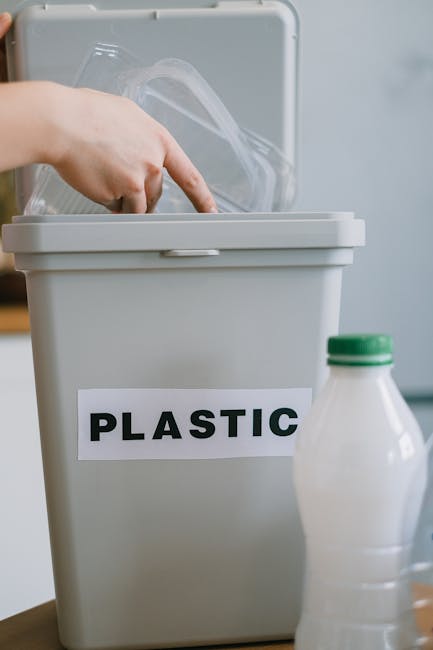
- Sort belongings into categories. Keep personal effects, reusable furniture, donation items, recyclable materials, and true waste separate where possible.
- Check condition honestly. A chipped table might still be reusable, but a stained mattress or broken wardrobe often is not. Be realistic. Nobody benefits from pretending a clearly damaged item is a donation.
- Decide what needs specialist handling. Batteries, electrical items, certain liquids, and similar materials may need separate disposal routes.
- Choose the right transport method. A larger move may suit a full removal service or vehicle, while lighter loads may work better with a removal van or a flexible removal services arrangement.
- Keep donation items clean and complete. Charities and reuse organisations usually prefer items that are ready to pass on with minimal handling.
- Document the handover where sensible. For business clearances or larger domestic clearances, records help show that items were passed on properly.
Donation is not a shortcut around waste law. If a charity declines an item, that item remains your responsibility until it is accepted elsewhere or disposed of correctly. That is a very common misunderstanding. You can't just leave an item outside a charity shop and hope for the best. Some places will not accept certain furniture, soft furnishings, or unsafe electrical goods, even if they look fine from the pavement at 8 a.m. on a wet Tuesday.
In many real situations, the cleanest route is a combined one: keep the best items aside for reuse, send the next tier to proper donation channels, and dispose of the rest through lawful waste routes. If you are clearing a larger property or preparing a commercial move, you may also want to review commercial moves or office removals support, because business waste can trigger extra handling expectations.
Key benefits and practical advantages
Following waste disposal law properly is not only about avoiding trouble. It usually makes the whole move easier and calmer. When the process is structured, you waste less time, fewer items are rejected, and the final clear-out feels controlled instead of chaotic.
- Lower risk of fly-tipping problems: your items are less likely to end up somewhere they should not.
- Better donation outcomes: usable items reach the right place in better condition.
- Less last-minute panic: you know what goes where before moving day arrives.
- Cleaner handovers: landlords, agents, and building managers tend to prefer a tidy finish.
- Potential cost savings: reusable items may reduce disposal volumes, and proper sorting can stop avoidable disposal charges.
- Safer work environment: broken glass, awkward furniture, and mixed waste are easier to manage when separated.
There is also a quieter benefit: peace of mind. You do not have to keep wondering whether that pile at the back of the hallway was handled correctly. Honestly, that matters more than people admit. Moving is stressful enough without the added mental clutter of "did we do that right?"
For many households, donations can also make the move feel less wasteful. A sideboard that no longer fits your new place may be just the right thing for another home. That is a good feeling. And in a city like London, where space is always at a premium, reuse just makes sense.
Who this is for and when it makes sense
This topic is relevant to anyone clearing property in Maida Vale, but a few groups tend to need it most. If you fit into one of these, it is worth planning waste and donation handling early rather than leaving it to the final hour.
- Home movers: especially if you are downsizing, decluttering, or combining households.
- Flat movers: common in Maida Vale, where lift access, tight stairwells, and shared entrances can make waste handling more delicate.
- Students: if you are leaving accommodation with furniture, desk items, or boxed clutter.
- Families clearing inherited property: where the volume is high and the mix of items can be unpredictable.
- Landlords and letting agents: where end-of-tenancy clearances need to be tidy and defensible.
- Small businesses: particularly offices relocating equipment, desks, or archived materials.
It also makes sense if you have bulky items to remove, but the items are not all destined for the same place. For example, a sofa might be suitable for reuse, old paperwork may need secure disposal, and a broken printer may need electrical recycling. Mixed loads are common. Most people do not have neat, labelled piles in the spare room. Real life is messier than that.
If your move is time-sensitive, services like same day removals can help, but even then, the waste and donation decisions should be made before the vehicle arrives. Same-day speed is useful; same-day chaos, not so much.
Step-by-step guidance
Here is a practical way to handle removals and donations lawfully without turning the week into a sorting workshop.
1. Walk the property room by room
Start with the easy wins: furniture, boxes, and visible clutter. Then move to cupboards, loft areas, storage corners, and under-bed spaces. That last sweep usually reveals at least one mystery cable, a charger you forgot existed, and a bag of random screws. Very normal.
2. Separate items into clear categories
- Keep: items going to the new property.
- Donate: items in good, clean, usable condition.
- Recycle: cardboard, metal, some electronics, and other recyclable materials where appropriate.
- Dispose: broken, contaminated, or unusable items.
- Special handling: anything hazardous, heavy, or regulated.
3. Check donation suitability honestly
Would you be happy receiving the item yourself? Is it clean, safe, and complete? If the answer is no, it is probably not a good donation. Charities and reuse groups often need usable goods that can be passed on quickly. Missing legs, smoke damage, deep stains, or active faults can be deal-breakers.
4. Separate special items early
Things like paint tins, old cleaning liquids, batteries, and some electrical items should not be bundled in with ordinary household rubbish. They may need a separate route or special acceptance criteria. A bit of planning here avoids awkward surprises later.
5. Book the right removal support
If you are moving a full property, removals support may be the simplest route. For smaller or more flexible jobs, man with van or man with a van style help can be more practical. The best choice depends on volume, access, and how much sorting is still needed on the day.
6. Keep the access route clear
In Maida Vale, access can be tight. Shared hallways, parking pressure, and narrow entrances mean waste should not be left blocking corridors while you "just deal with it in a minute." That minute tends to become an hour. And somebody will absolutely need the lift right then.
7. Confirm the destination for the leftover items
If donation is part of the plan, make sure the receiving organisation has accepted the goods, not just the idea of them. If disposal is needed, ensure the route is lawful and suitable for the item type. This is where having a clear removal and sustainability approach can help, including services focused on recycling and sustainability.
Expert tips for better results
These are the little things that save time and hassle. Not glamorous, but very useful.
- Photograph items before donation handover. It helps if you later need to confirm condition or decide what went where.
- Use tape or labels on boxes. "Donate," "recycle," and "dispose" are simple labels, but they reduce mistakes dramatically.
- Keep donation piles separate from moving piles. A charity-ready lamp is no good if it gets packed into the wrong box at 6 p.m.
- Check building rules before collection day. Some blocks have strict loading, access, or waste placement expectations.
- Plan for bulky furniture early. Sofas, wardrobes, and beds take more coordination than people expect.
- Do not leave decisions until the vehicle is outside. That is when rushing starts, and rushing is where compliance slips.
One small but important trick: sort by destination, not just by item type. A "good chair" is not enough. Is it a donation chair, a keep chair, or a repair chair? That extra layer sounds pedantic, but it saves a lot of backtracking.
If you are clearing a house with a mix of furniture and personal belongings, pairing the right removal method with proper packing can make a big difference. Services like packing and boxes or packing and unpacking services can help keep donation items separate and easier to manage.
Common mistakes to avoid
Most problems come from a few repeat habits. The good news is they are easy to avoid once you know them.
- Assuming everything can be donated. It cannot. Good intentions do not make a damaged item acceptable.
- Mixing waste with reusable items. That often leads to avoidable contamination.
- Leaving items in communal areas. This can cause access issues, complaints, or blockages.
- Forgetting special items. Batteries, liquids, and electrical goods often need separate handling.
- Not checking what the recipient accepts. Different charities and reuse routes have different rules.
- Using an unclear disposal arrangement. If you do not know where the waste is going, that is a problem.
- Waiting until moving day to sort. It almost always creates stress. Almost always.
Another common issue is overfilling the vehicle or underestimating volume. In a local move, that can mean extra trips, delays, or squeezing items in badly. If you are uncertain, it is better to allow breathing room than to play removal-day Tetris with a wardrobe and three mattresses. Nobody wins that game.
Tools, resources and recommendations
You do not need a fancy system. A few simple tools are enough for most household or small-business moves.
- Marker pens and labels: for marking donate, recycle, keep, and dispose.
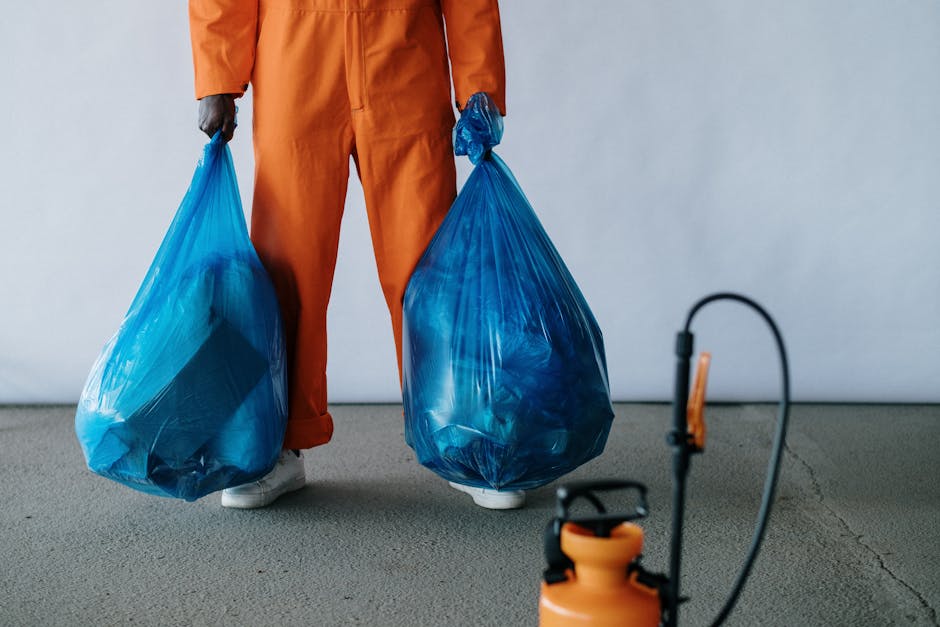
- Strong refuse sacks or boxes: useful for small loose items and packaging waste.
- Basic inventory list: especially helpful for larger homes or office clearances.
- Protective gloves: useful for handling dusty loft items, broken materials, or mixed waste.
- Phone camera: handy for quick records before a donation pickup or disposal handover.
- Measuring tape: surprisingly useful when deciding whether an item can realistically fit through a doorway or into storage.
Storage can also be part of the plan. If you are not sure whether an item should be kept, donated, or disposed of, a short-term holding solution may buy you thinking time. That is where storage can be useful, especially during staggered moves or refurbishments.
For people moving on a tighter timetable or handling mixed loads, services built around removal services can make the sorting process much more manageable. And if the move is more specialised, such as an item-heavy family home or a larger building, you may want to compare options with removal companies or read about the approach to about us and recycling and sustainability.
Law, compliance, standards, and best practice
Without drifting into legal jargon, the key point is this: waste must be handled responsibly, and handing something to the wrong party does not automatically remove your responsibility. In UK practice, that usually means using reputable operators, making sure waste is transferred appropriately, and keeping enough detail to show the items were managed properly where needed.
For domestic removals, the best-practice standard is straightforward: only donate items that are safe and suitable, and only dispose of items through legitimate waste routes. For business moves, keep a bit more formality around records, especially if the items include documents, equipment, or bulk office furniture. A tidy paper trail is not exciting, but it can be extremely reassuring if questions come up later.
It is also sensible to think about health and safety. Heavy lifting, sharp edges, broken furniture, and damp or mould-affected items can become hazards quickly. If you are unsure how a job should be handled, review the provider's health and safety policy and insurance and safety information. That is not box-ticking; it is plain good sense.
And for the less glamorous but equally important side of things, a service's terms, payment process, and complaint route matter too. If a collection is delayed, damaged, or miscommunicated, you want to know how the issue is handled. In a busy moving week, certainty is underrated.
Options, methods, or comparison table
There is no one-size-fits-all route for disposal and donation in Maida Vale. The right choice depends on what you have, how quickly it needs moving, and whether the items are reusable. This simple comparison should help.
| Option | Best for | Strengths | Limitations |
|---|---|---|---|
| Direct donation | Clean, usable furniture and household goods | Simple, sustainable, often quick | Not all items are accepted |
| Mixed removals with donation sorting | Households clearing multiple room types | Efficient, practical, less waste | Needs careful pre-sorting |
| Specialist disposal | Damaged, bulky, or awkward items | Safer and more compliant | May involve extra handling or cost |
| Short-term storage before decision | Uncertain items during staged moves | Buys time and reduces rushed decisions | Not a final solution on its own |
| Full-service removal support | Large homes, offices, or time-sensitive moves | Less stress, more coordination | Requires clear instructions upfront |
If your move includes furniture that might be reused but needs collection from the property, a dedicated furniture pick up or furniture removals arrangement can be a sensible middle ground. It keeps the process cleaner than improvising, which, let's face it, is usually how the awkward bits happen.
Case study or real-world example
Here is a realistic example from a typical Maida Vale move. A couple were leaving a two-bedroom flat after several years. They had a sofa they no longer wanted, two bookcases, a desk chair, a broken bedside table, assorted books, packaging, and a few boxes of electrical items. Nothing dramatic. Just the usual moving-day clutter that somehow multiplies in the final week.
Instead of throwing everything into one pile, they split the items into four groups. The sofa and bookcases were checked for donation suitability. The bedside table, which had a split leg and a loose panel, was moved into disposal. Books in good condition were boxed separately for reuse. Old cables and electronics were kept away from general rubbish. The result was simple: fewer last-minute decisions, less vehicle space wasted, and a much cleaner handover.
What made the difference was not luck. It was sorting early and being realistic about condition. They also made sure the access route stayed clear in the corridor, which made the building manager noticeably happier. Small thing, big impact.
That same approach works whether you are moving from a large house, a compact flat, or a student place with a lot of mixed items. If you are in a tighter space, options like student removals or a smaller van-based move can still follow the same legal logic. The vehicle size changes. The responsibility does not.
Practical checklist
Use this before collection day. It is simple, but it covers the important bits.
- Have I separated keep, donate, recycle, dispose, and special items?
- Are the donation items clean, safe, and complete?
- Have I checked that the recipient will accept the items?
- Do any items need separate handling because they are electrical, hazardous, or bulky?
- Is the access route clear for lifting and loading?
- Have I labelled boxes or piles clearly?
- Do I know what will happen to the leftover waste after collection?
- Have I reviewed any building rules for loading or communal areas?
- Am I confident the chosen removal support matches the volume and type of goods?
- Have I kept any records or photos that might help later?
If you can tick most of those off, you are in good shape. If not, pause and tidy the process before the van arrives. A half-hour of sorting now can save a full day of annoyance later.
Get a free quote today and see how much you can save.
Conclusion
Waste disposal laws for Maida Vale removals and donations are really about common sense made structured: separate what can be reused, donate only what is genuinely suitable, dispose of the rest lawfully, and keep the process safe for everyone involved. The more clearly you sort things at the start, the easier the move becomes. That is true whether you are clearing a family home, a flat, a student room, or an office.
There is no prize for leaving all the decisions until the last box is in the hallway. A calm, lawful, well-organised approach usually feels better, costs less in avoidable mistakes, and makes your move far less stressful. And honestly, that is what most people want at the end of a long moving week: fewer surprises, fewer bags to rethink, and a bit of breathing space.
Take your time with the sorting, trust your judgement, and keep the practical side simple. When you do that, moving on from old belongings becomes less of a burden and more of a clean reset. Quietly satisfying, really.
Frequently Asked Questions
What counts as waste during a removal in Maida Vale?
Anything you no longer intend to keep, reuse, sell, or donate can count as waste once you decide to discard it. That includes broken furniture, damaged packaging, unwanted household clutter, and items that are no longer suitable for donation.
Can I donate furniture instead of disposing of it?
Yes, if it is clean, safe, complete, and likely to be accepted by the receiving organisation. If the item is damaged, stained, unstable, or missing parts, it is usually better treated as waste rather than donation stock.
Do charities accept all donated items?
No. Acceptance depends on condition, safety, and what the charity or reuse group handles. Some items may be refused even if they look usable to you, especially if they are bulky, unsafe, or difficult to resell.
What should I do with electrical items from a move?
Keep them separate from general household waste. Some electrical items can be reused or recycled, but others may need special handling depending on their condition and type. Do not mix them with ordinary rubbish unless you are certain that is allowed.
Is it legal to leave items outside a charity shop?
Not unless the organisation has specifically asked for them to be left there. Leaving items without permission can create liability or be treated as improper dumping. Always confirm acceptance first.
How early should I sort waste and donations before moving day?
Ideally several days before the move, and earlier for larger properties. The more time you allow, the easier it is to separate reusable items from true waste without rushing.
What if I have a mix of reusable and broken items?
That is very normal. Sort them into separate groups and arrange different destinations if needed. A mixed load is easier to manage when the reusable items are clearly marked and kept apart from disposal waste.
Do Maida Vale flats create any special waste issues?
They can. Shared hallways, limited parking, lift use, and narrow staircases can make loading more complicated. It is wise to keep access clear and plan waste removal so it does not block communal areas.
Can a removal service handle donations and disposal together?
Often yes, provided the items are clearly separated and the service understands what each group is for. This is usually the neatest option when you have a mixture of furniture, boxes, and general unwanted items.
What is the biggest mistake people make with disposal during a move?
Waiting until the last minute. That is when items get bundled together, donation opportunities are missed, and compliance becomes an afterthought. Early sorting is usually the simplest fix.
Should I keep records of what I donated or disposed of?
For larger clearances or business moves, yes, it is sensible. Photos, notes, or handover records can help show what was passed on and support a clear audit trail if needed.
Where does storage fit into waste and donation planning?
Storage is useful when you are unsure whether an item should be kept, donated, or discarded. It gives you time to decide calmly instead of making a rushed call on moving day.