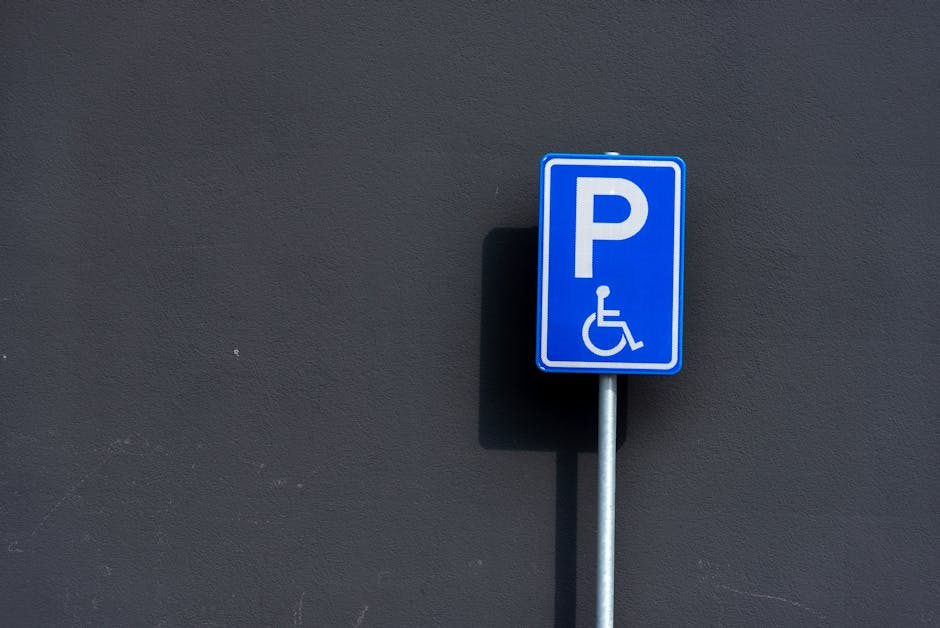
Maida Vale parking permits and removals rules explained
Posted on 06/07/2026
Moving in Maida Vale can feel simple on paper, and then the street itself reminds you it is very much not simple. Narrow roads, resident bays, controlled parking zones, loading limits, permit timing, and the usual London curveballs all add up fast. If you are trying to understand Maida Vale parking permits and removals rules explained in plain English, this guide walks you through what matters, why it matters, and how to avoid the kind of moving-day stress that tends to arrive just when the kettle is packed away.
Whether you are moving from a mansion flat, a modern apartment near the station, or a family home tucked away on a quieter road, the basic principle is the same: plan the vehicle access first, then the packing, then the furniture shuffle. That order saves time, money, and a lot of shrugging on the pavement. Let's make it manageable.
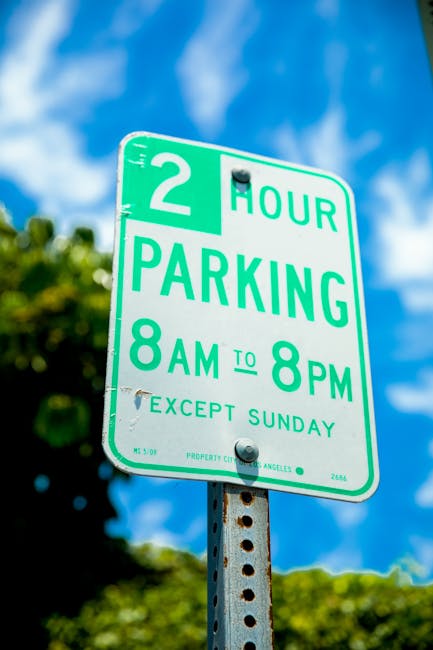
Why Maida Vale parking permits and removals rules matter
Parking and access are often the hidden cost in a move. Not the boxes. Not the tape. The space outside the property. In Maida Vale, that space can be controlled, restricted, shared, or simply awkward. A removal van that cannot stop legally, cannot unload safely, or blocks traffic for too long creates problems quickly.
This matters because removals are time-sensitive. The team needs a clear run from the vehicle to the front door, and ideally the shortest possible carry distance. If the van ends up half a road away, the job becomes slower and more physically demanding. That can affect pricing, the schedule, and the overall mood of the day. Nobody wants to be carrying a sofa in the drizzle while a neighbour waits to reverse out.
There is also the issue of compliance. Local parking restrictions, suspension needs, loading rules, and access limits are not just admin details. They are part of the move itself. If you ignore them, you risk fines, delays, and extra labour. In a place like Maida Vale, where many streets already feel tightly managed, it pays to get this right from the start.
If you are new to the area, it helps to understand the local rhythm too. Our Maida Vale neighbourhood guide gives a good sense of the roads, streets, and residential feel that shape moving-day planning.
Practical takeaway: in Maida Vale, the best move is usually the one planned around parking first and packing second.
How Maida Vale parking permits and removals rules work
At a practical level, removals in Maida Vale normally involve three things: where the vehicle can stop, how long it can stay there, and whether any special permission is needed. The exact rules vary by street and by council-controlled restrictions, so the key is to confirm the location before move day rather than assume the road outside will be usable.
Parking permits
Depending on the street, a permit may be needed for the removal vehicle, or the vehicle may need to use a loading area, a marked bay, or a suspended space arranged in advance. In some cases, a removals operator will organise this as part of the job. In others, the resident or property manager may need to help with the relevant paperwork or notification. It really depends on the building and the local setup.
What you are trying to achieve is a legal stopping point close enough for efficient loading. If the vehicle is too far away, the job becomes slower and more exposed to problems such as double parking pressure, busy traffic, or obstruction concerns.
Removal vehicle rules
Removal vehicles are not treated like ordinary cars, so the same parking logic does not always apply. Larger vans may need more space, and certain streets may be unsuitable for long dwell times or wide turns. Tight corners, low tree branches, and one-way systems can all affect the plan. If you have ever watched a van inch back and forth outside a block while everyone silently pretends not to notice, you will know exactly why route planning matters.
Our guide to Westminster Council removal vehicle rules for Maida Vale moves is useful if you want a more move-specific overview of local vehicle considerations.
Loading and unloading windows
Some streets or buildings have informal expectations about loading times, especially early in the morning or late at night. Even if there is a legal stopping area, it may not be sensible to use it in a way that disturbs residents or causes unnecessary congestion. Best practice is to keep loading efficient, quiet where possible, and tightly coordinated.
A well-run move typically combines the legal side with the practical side: reserve or confirm the space, protect the property access, and keep the lifting route clear. That sounds obvious, but honestly, it is where many moves go sideways.
Key benefits and practical advantages
Getting parking and removals rules right is not just about avoiding a ticket. It can make the whole move feel calmer and more professional.
- Faster loading and unloading: a nearby legal parking spot shortens carrying time.
- Lower chance of delays: fewer interruptions from parking enforcement or searching for a space.
- Less physical strain: short carry distances make heavy items easier to move safely.
- Better protection for your belongings: less time outside means less exposure to rain, knocks, and awkward handling.
- Cleaner communication with neighbours and building staff: everyone knows the plan in advance.
- More predictable costs: reduced risk of overruns, idle time, or avoidable rebooking.
There is also a quieter benefit: confidence. When the parking side is sorted, people stop second-guessing the move. That sounds small, but it changes the day. The boxes still feel heavy, of course, but the whole operation feels under control.
If you are comparing different move types, you may also find it helpful to look at removals in Maida Vale alongside specialist help such as man with a van Maida Vale, especially for smaller or more flexible moves.
Who this is for and when it makes sense
This guidance is useful for anyone moving into, out of, or within Maida Vale. But some people benefit more than others.
- Flat movers: especially in blocks with limited frontage or shared access.
- Homeowners: where a larger vehicle may need a planned stop outside a property.
- Students and renters: often moving quickly and relying on tight time windows.
- Office movers: where the van needs to load efficiently without disrupting neighbours or nearby businesses.
- People moving bulky items only: such as a sofa, bed, piano, or several large furniture pieces.
It makes sense whenever the road outside is not obviously straightforward. If you are thinking, "I'll just see what happens on the day," that is usually the moment to slow down and plan a bit more carefully. To be fair, Maida Vale can be forgiving in some places and surprisingly tricky in others. You never quite know until you check.
For more local context on the area and everyday living patterns, see our local living advice for Maida Vale and this useful property buying guide if your move is tied to a purchase.
Step-by-step guidance
Here is the cleanest way to handle Maida Vale parking permits and removals rules without turning the process into a half-week detective story.
- Check the exact address and frontage. Look at the road, the width, any bay markings, and whether there are obvious restrictions.
- Confirm the type of property. A top-floor flat, basement conversion, or large house may need different access planning.
- Ask about permit requirements early. If the vehicle needs permission, do not leave this until the night before.
- Measure the carry distance. A few extra metres can matter more than you expect, especially with bulky furniture.
- Check building rules. Some blocks have preferred hours, lift booking requirements, or entry procedures.
- Plan the loading order. Put the heaviest or most awkward items near the exit, not buried behind every box in the flat.
- Protect access points. Use door and floor protection where appropriate so the move stays tidy.
- Build in a time buffer. Even a modest delay with parking can have a domino effect.
- Keep a fallback option in mind. If the prime spot is taken, know where the next legal stopping point is.
A small real-world example: imagine a second-floor flat near a busy stretch with resident bays. If the vehicle can stop close by, the crew can move steadily. If not, every box becomes a longer carry, and the day starts to feel more like a relay race. Not ideal. Not fun either.
Expert tips for better results
After enough removals jobs, certain patterns become obvious. The ones below save time more often than not.
- Book the parking plan before the packing plan. It sounds backwards, but it works.
- Choose the right vehicle size. Bigger is not always better if the road is tight.
- Keep one person free for communication. Someone should be watching the space, the door, and the timing.
- Use clear labels on furniture and boxes. When the space outside is tight, efficiency inside becomes even more important.
- Ask about lift access in flats. A good parking setup does not help much if the lift is out of action.
- Move early where possible. Morning slots often feel calmer, though this depends on the building and road conditions.
One slightly boring but very useful tip: take a quick walk outside the property on the day before the move. Stand on the pavement. Look at the road with fresh eyes. Where would a van actually fit? Where would a pedestrian need to pass? That five-minute check can reveal more than a dozen hopeful assumptions.
For more insight into smaller-vehicle moves, our Man with a Van Maida Vale page may help if you need a flexible option for a lighter load. If you are planning a larger family relocation, house removals in Maida Vale may be the better fit.
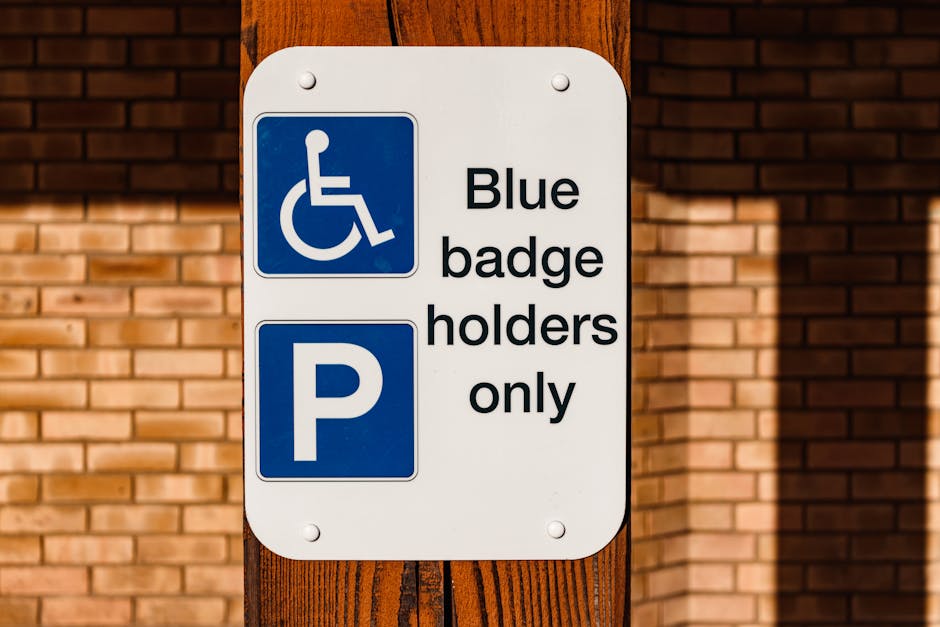
Common mistakes to avoid
A lot of moving-day problems are avoidable. Really avoidable. They happen when people assume the street will be fine or that "someone will sort it" without making a clear plan.
- Leaving parking permission too late. By the time move day arrives, options may be limited.
- Forgetting to check for road restrictions. Bay rules, loading limits, and peak-time issues can all matter.
- Underestimating access difficulty. Flats above street level are usually slower than they first look.
- Choosing the wrong vehicle. Too large, and it may be hard to park; too small, and you create extra trips.
- Ignoring neighbour or building expectations. Tension on the stairwell is not a good start.
- Packing in the wrong order. If the van can only stay briefly, you need a fast load sequence.
Another common one is assuming removals are just about transport. They are not. They are about access, timing, handling, and compliance all at once. Miss one piece and the whole thing gets wobbly.
Tools, resources and recommendations
You do not need a huge toolkit to manage parking and removals rules in Maida Vale, but a few practical tools help a lot.
- Notes app or checklist: keep permit details, timing, and access contacts in one place.
- Phone camera: take pictures of the frontage, bay signs, or awkward access points.
- Measuring tape: useful for doors, hallways, furniture, and lift dimensions.
- Sticky labels or coloured tape: ideal for marking priority items.
- Good footwear and gloves: not glamorous, but sensible.
For related support, you may also find these pages useful during planning: packing and boxes in Maida Vale, storage in Maida Vale, and pricing and quotes if you want to understand how access and parking can influence the overall cost.
If you are looking at a bigger move, the wider services overview is a useful way to compare what type of help fits your situation.
Law, compliance, standards and best practice
When a move involves public roads, controlled parking zones, or shared residential access, compliance matters. The safest approach is to treat the parking setup as part of the removal job, not as a side note. This means checking what is allowed, who is responsible for arranging any permission, and whether the vehicle can legally stop where you expect it to.
Best practice usually includes:
- confirming the route and stop point before move day;
- respecting local parking and loading rules;
- avoiding obstruction of traffic or pedestrian access;
- using sensible loading times and safe lifting methods;
- keeping communication open with building managers or residents where needed.
For removals firms, good practice also means being clear about what is included, what is not, and what might change the job on the day. That transparency matters. It protects everyone involved and cuts down on arguments that nobody wanted in the first place.
If you are comparing companies, it is worth reviewing the company's policies too. Our pages on insurance and safety, health and safety policy, and terms and conditions give a better sense of how a professional service should be structured.
Options, methods and comparison table
Different move types call for different parking strategies. Here is a straightforward comparison to help you decide what tends to work best.
| Option | Best for | Pros | Watch out for |
|---|---|---|---|
| Street parking with permission | Most standard residential moves | Close access, efficient loading | Needs early confirmation; spaces can be limited |
| Loading bay or temporary stopping space | Flats and busy roads | Convenient if available and legal | Often time-limited and may need advance arrangement |
| Smaller van or man and van setup | Light moves, student moves, single-room loads | More flexible on tighter streets | May require extra trips if the load is larger than expected |
| Full removals team with larger vehicle | House moves, heavy furniture, full relocations | Better for volume and speed | Needs stronger parking planning and access control |
In practice, the "best" option is the one that matches both the property and the street. A full-size removal lorry is not always the smartest choice if the road bends sharply and resident bays fill quickly. Conversely, a small van may be convenient but inefficient if you are shifting an entire family home.
Case study or real-world example
Picture a flat move on a weekday morning in Maida Vale. The property is in a period building, the stairwell is narrow, and the road outside is busy with residents coming and going. The client has a decent amount of furniture: a bed frame, two wardrobes, several boxes, and a couple of heavier home items. Nothing outrageous. Just enough to make things awkward if the parking is wrong.
Rather than trying to "find a space on the day," the move is planned around a legal stop close to the entrance. The loading order is set in advance, the most awkward items are prepared first, and the team knows which route to take through the building. The result is not magical. It is just calmer. Fewer pauses. Less shuffling. Less standing around wondering if the van is about to be moved on.
Now compare that with a less prepared approach: the vehicle arrives, parking is uncertain, the nearest space is unavailable, and someone spends fifteen minutes circling while the first boxes sit in the hallway. Suddenly the job feels longer, more expensive, and a bit more fraught. Same move. Very different day.
Practical checklist
Use this before move day. It is simple, but it catches most of the avoidable problems.
- Confirm the full address and exact frontage.
- Check whether any parking permit, loading allowance, or bay arrangement is needed.
- Ask who is arranging the permission if one is required.
- Review building access rules, lift use, and time restrictions.
- Measure large items and the main access points.
- Decide whether a small van or larger removal vehicle is more suitable.
- Prepare labels for boxes and priority items.
- Keep a phone contact handy for the property manager or main mover.
- Leave extra time for parking changes or traffic.
- Protect floors, doors, and walls if the property layout is tight.
Expert summary: if the parking plan is good, the removals team can focus on the actual move. If the parking plan is weak, everything else gets harder. That's the bit people only fully appreciate once they have tried it both ways.
If you are comparing service options, our removal services in Maida Vale page and removal companies Maida Vale guide can help you think through the practical differences. For flexible booking support, get in touch with the team when you are ready.
Conclusion
Maida Vale moves are rarely difficult because of the furniture alone. More often, they become tricky because of what happens outside the property: the space, the parking, the timing, and the street-level rules that can quietly shape everything. Once you understand how permits and removals access work together, the rest becomes far easier to manage.
The main thing is not to leave it to luck. Check the road, confirm the stop point, choose the right vehicle, and plan the move with the building layout in mind. Do that, and you are already ahead of most last-minute movers. Honestly, that is where the stress starts to melt away.
Get a free quote today and see how much you can save.
And if you are still at the planning stage, that is completely fine. A thoughtful move tends to feel lighter, even before the first box is lifted.