Westminster Council removal vehicle rules for Maida Vale moves
Posted on 26/06/2026
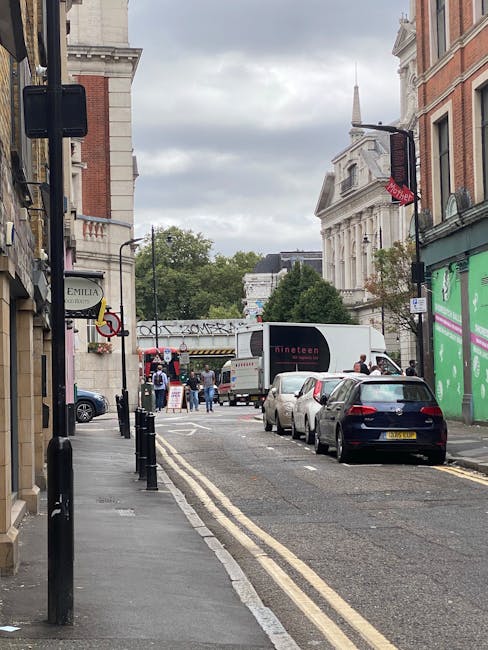
Westminster Council removal vehicle rules for Maida Vale moves: a practical guide for smoother moving day
If you are planning a move in Maida Vale, the vehicle side of the job can make or break the day. Westminster Council removal vehicle rules for Maida Vale moves affect where a van can stop, how long it can stay, whether loading bays are available, and what happens if the street is busy or restricted. Get this wrong and a straightforward move can turn into a slow, stressful shuffle of boxes on the pavement. Get it right, and everything feels calmer, quicker, and far less expensive.
This guide walks through the moving parts in plain English: why the rules matter, how they usually work in practice, what to check before move day, and how to avoid common mistakes. If you are moving from a flat near the tube, a house on a quieter street, or somewhere with narrow access, these details matter more than people expect. To be fair, most delays are avoidable with a bit of planning.
Why Westminster Council removal vehicle rules for Maida Vale moves Matters
Maida Vale is one of those London areas where the streets can look peaceful right up until a moving van tries to stop there. Then everything becomes very real, very quickly. Narrow roads, parked cars, resident permit zones, controlled parking areas, and busy commuter periods can all influence whether a removal vehicle can legally and safely load.
For anyone moving home or office locally, the rules matter because they shape the whole moving strategy. A van that cannot stop near the entrance means longer carrying distances, more labour time, more risk of damage, and a bigger chance of friction with neighbours or traffic wardens. And honestly, no one wants to be hauling a sofa half a street away while trying to keep a moving schedule on track.
There is also the human side of it. Moving day is already one of those mildly chaotic life moments: kettle packed away, phone battery low, somebody asking where the keys are. If the vehicle plan is not sorted, the rest of the day gets harder. That is why local knowledge counts. If you are moving into a flat, a house, or a shared property, it helps to read practical local guidance such as Maida Vale living advice from a local and the broader guide to Maida Vale as a neighbourhood.
How Westminster Council removal vehicle rules for Maida Vale moves Works
In simple terms, the council framework determines how a removal vehicle can use the road space on your moving day. That may include parking bays, loading areas, time-limited stopping, resident permit spaces, suspended bays, or red route style restrictions in some nearby corridors. The exact setup depends on the street and the time of day.
What you want to understand is not just "can the van park?" but "can it park where the movers need it to park, for long enough, without causing a problem?" That distinction matters. A legal stop that still blocks access for too long may create pressure later in the day, even if it starts out fine.
In practice, a good moving plan normally looks at:
- the street layout and turning space for the vehicle
- loading or unloading access closest to the property entrance
- time restrictions that may affect parking or stopping
- whether nearby bays need to be checked, suspended, or booked in advance
- building access, lift access, and any concierge or management rules
- whether the route includes especially tight access points, like around station approaches or narrow terraces
That last point is often underestimated. If you are moving near tighter streets, it may be worth reading the Maida Vale tube station removals guide for tight access and, for more street-specific insight, the piece on Randolph Avenue and Little Venice house removals tips.
One more thing: council rules are only part of the picture. Your removal company should also think about vehicle size, loading time, access width, and the likelihood of last-minute obstruction. A 7.5-tonne lorry is not always the neat answer. Sometimes a smaller van, or a staged move, is just more sensible. Bit obvious maybe, but it gets overlooked all the time.
Key Benefits and Practical Advantages
Planning around the vehicle rules gives you more than compliance. It gives you control. And on moving day, control is gold.
- Less wasted time: when the van can stop close to the property, the job moves faster.
- Lower labour strain: fewer long carries means less fatigue for the team and less risk to furniture.
- Reduced stress: you are not improvising on the pavement while the clock is ticking.
- Better protection for belongings: shorter carrying distances usually mean fewer bumps and scrapes.
- Cleaner handover: you are less likely to run into disputes with neighbours, building staff, or parking enforcement.
There is also a financial angle. Delays caused by poor access can create knock-on costs, especially if movers are waiting while you sort out parking or move the vehicle. If you are pricing up a job, it can help to understand the difference between a straightforward move and one that needs extra planning. A useful place to start is the company's pricing and quotes information, plus the advice in how to avoid hidden costs in Maida Vale removals quotes.
For many people, the real benefit is peace of mind. Once the parking and stopping plan is sorted, you can focus on the actual move. Which, let's face it, is already enough to be getting on with.
Who This Is For and When It Makes Sense
This topic matters to almost anyone moving in or out of Maida Vale, but some people need the detail more than others.
- Flat movers: If you are moving from a mansion block, converted building, or upper-floor flat, loading space can be tight and timing is often sensitive.
- House movers: Even on calmer residential streets, parked cars and narrow access can complicate van positioning.
- Students: Smaller moves still need proper vehicle planning, especially if you are moving on a deadline. See student removals in Maida Vale for a more tailored service view.
- Office movers: If staff, equipment, and time-sensitive items are involved, you really do not want avoidable delays. A look at office removals in Maida Vale can be useful here.
- Same-day movers: Tight time windows leave very little room for parking uncertainty. The local same-day removals urgent checklist is worth a read if you are in that boat.
It also makes sense if you are moving something awkward or valuable, such as antiques or a piano. In those cases, access planning becomes part of safety planning. You can read more about specialist handling through piano removals in Maida Vale and furniture removals in Maida Vale.
If your move involves storing items between properties, vehicle timing matters too. A planned drop-off to storage in Maida Vale can be much easier when the vehicle access strategy is worked out in advance.
Step-by-Step Guidance
Here is the practical version. Not glamorous, but useful.
- Check your street layout early. Look at access, corners, one-way sections, and where a van could physically stop without making life difficult for everyone else.
- Identify loading options. Some streets have more usable stopping space than others. If you are unsure, ask the mover to assess it before moving day.
- Consider the property entrance. A good parking spot is only useful if it lines up with the actual door, lift, or stair access.
- Allow for building rules. Some blocks require advance notice, lift protection, or booking a move-in slot. You do not want to find that out at 7:30 in the morning.
- Match the vehicle to the job. Bigger is not always better. Sometimes a well-planned smaller vehicle saves time and hassle.
- Book the move with access in mind. Tell the removal company about any restrictions, long carries, narrow hallways, or awkward entry points.
- Prepare your load-out path. Boxes, rugs, bikes, and random hallway clutter can slow everything down. Clear the route before the van arrives.
- Build in a time buffer. Traffic, parking checks, and lift waits happen. If you leave no margin, the day starts to feel brittle very quickly.
For many Maida Vale properties, especially flats and split-level buildings, the smart move is to combine vehicle planning with packing and access planning. The best practical support often comes from looking at flat removals in Maida Vale alongside packing and boxes in Maida Vale. The two go together more than people think.
And if your move has a lot of moving parts, a full removal services overview can help you see what is included before you commit.
Expert Tips for Better Results
Here are the small, practical things that usually make the biggest difference. Not the flashy stuff. The sensible stuff.
- Do a dry run mentally. Picture the van arriving, doors opening, and the first 10 minutes of unloading. If that mental picture already looks messy, fix the plan before the day comes.
- Ask about vehicle type early. A removal van that is ideal for one street may be a headache on another. Size, height, and manoeuvrability all matter.
- Keep documents and keys separate. It sounds trivial. It is not. When the driver, the client, and the building manager are all waiting around, simple admin mistakes become annoying fast.
- Protect the loading path. Floor runners, corner guards, and decent packing make the access process cleaner and safer.
- Use local experience. Teams that know the area can often anticipate which streets are awkward at which times. That sort of knowledge is worth a lot, honestly.
A good local crew will also know when a standard man and van setup is enough and when a larger operation is smarter. If your move is compact, have a look at man and van in Maida Vale and man with a van in Maida Vale. If it is a bigger property move, then house removals in Maida Vale may be the more realistic fit.
One small human truth: the move that looks easiest on paper is sometimes the one that needs the most thought. Funny how that works.

Common Mistakes to Avoid
Most moving-day problems are not dramatic. They are little planning misses that pile up. Here are the ones we see most often.
- Assuming the van can just "stop outside". That is rarely a plan. Streets are not always cooperative, and parking rules do not care that you are carrying a mattress.
- Ignoring the difference between parking and loading. A bay that looks suitable may not actually be suitable for a removal vehicle.
- Forgetting about time limits. Even if the stop is legal, a short window can create pressure if unloading takes longer than expected.
- Not warning the movers about tight access. This can lead to the wrong vehicle, the wrong team size, or the wrong timing.
- Leaving everything until the morning of the move. By then, you are negotiating with the clock instead of making calm decisions.
- Overpacking the van plan. Sometimes people try to squeeze too much into one trip. That can backfire if the street access is limited.
It is also easy to overlook the knock-on effect of weather and neighbourhood traffic. A damp pavement, a school run, or a busy lunchtime window can all slow things down. That is especially true near flatter, denser parts of the area. If your move is likely to overlap with busy periods, the common delays guide for Maida Vale removal jobs is a sensible read.
On the safety side, don't forget that moving and parking decisions affect people as well as property. A badly parked van can cause real frustration for neighbours. Keep that in mind. It helps.
Tools, Resources and Recommendations
You do not need a huge toolkit, but a few practical resources help keep the move under control.
- Access notes: Write down entry codes, floor numbers, lift instructions, and any restrictions before the day starts.
- Room labels: Clear labels make unloading faster, which matters if the vehicle can only stop for a limited time.
- Parking awareness: A simple street check from the pavement is often enough to spot obvious access issues before they become problems.
- Quote comparison: Compare what is included in each service, not just the headline price.
- Insurance and care standards: Make sure you understand how goods are protected in transit and while being handled.
If you are choosing between different moving setups, it also helps to compare service levels side by side. The pages on removal companies in Maida Vale, removal van hire in Maida Vale, and removals in Maida Vale can help you see what kind of support fits your situation best.
For customers who want clear service standards, a quick look at insurance and safety and health and safety policy is a good habit. It is not exciting reading, no, but it tells you a lot about professionalism.
Law, Compliance, Standards, or Best Practice
While this guide is not legal advice, there are some sensible compliance points to keep in mind. In London, parking and loading are regulated at borough level and through wider traffic rules, so the practical expectation is simple: do not assume that stopping is permitted just because it feels convenient.
Best practice for a removal day usually means:
- checking the street restrictions in advance
- avoiding unsafe obstruction
- keeping to any loading or waiting time rules
- coordinating with building management where required
- making sure the move does not create a hazard for pedestrians or other vehicles
For movers and clients alike, that is really about being organised and respectful. It is also about reducing risk. A van parked badly can create tension, delay, or a simple nasty scrape. Nobody wants that. The best businesses build compliance into their day-to-day process, not as an afterthought.
If you are vetting a mover, it helps to check how seriously they treat operational detail more generally. Pages like about us, terms and conditions, and payment and security can give you a better sense of how the company works. Small thing, but useful.
Options, Methods, or Comparison Table
There is no single right way to handle a Maida Vale move. The best option depends on vehicle access, load size, and timing. Here is a practical comparison.
| Method | Best for | Advantages | Trade-offs |
|---|---|---|---|
| Small van with short loading stop | Compact flats, light household moves, student loads | Easier to manoeuvre, often quicker on narrow streets | May require more trips if volume is underestimated |
| Standard removal van with planned loading bay | Typical house or flat removals | Good balance of capacity and practicality | Needs better timing and access planning |
| Larger vehicle or full removals team | Whole-house moves, bulky furniture, office relocations | Efficient for larger loads, less back-and-forth | Can be harder on tighter streets if access is limited |
| Staged move with storage | Moves with timing gaps or renovation overlap | Reduces pressure on one moving day | Requires extra coordination and possibly additional cost |
In many Maida Vale moves, a staged or carefully timed approach ends up being the smoothest. Not always, but often. If your home has awkward access or you are moving a mix of delicate and bulky items, the combination of furniture removals and storage can be a practical compromise.
Case Study or Real-World Example
Picture a typical move from a top-floor flat in Maida Vale on a weekday morning. The property is only a short distance from a busy stretch, but the street itself is narrow and already lined with resident parking. The client initially assumes the van can wait outside for an hour while everything is carried down. Simple enough, right?
Then the reality lands. A few parked cars make the turning angle tight. The hallway is longer than expected. The lift is reserved for another resident for part of the window. The first load arrives late because the van has to stop a little further away than planned.
What changed the outcome was not magic, just preparation. The mover used a smaller vehicle, confirmed the best stopping position, split the loading into clear sections, and had the team ready with the biggest items first. The client also cleared the corridor and pre-labelled the boxes. The move still took effort, because moving always does, but the day stayed orderly instead of spiralling into a scramble.
That is the lesson, really. Most smooth moves are not smooth by accident. They are smooth because someone took the access rules seriously before the first box was lifted.
If your own move sounds a bit like that example, you may also find the local article on Elgin Avenue flat removals helpful, especially if your building has shared access or limited frontage.
Practical Checklist
Use this as a last-check guide in the days leading up to the move.
- Confirm the full move date and arrival window.
- Check whether the street has parking, loading, or waiting restrictions.
- Tell the mover about narrow roads, low trees, or awkward corners.
- Ask what vehicle size will be used.
- Check whether building management needs notice or lift booking.
- Reserve or clear the best possible loading point where appropriate.
- Label rooms and fragile items clearly.
- Pack the essentials bag separately.
- Keep keys, ID, and contact numbers to hand.
- Build in extra time for traffic, access, and handover.
- Review insurance and safety information before move day.
- Have a backup plan if the nearest stopping point is unavailable.
That last item is the one many people skip. Probably because they hope they will not need it. Fair enough. But on a busy London street, a backup plan is not pessimism; it is common sense.
Conclusion
Westminster Council removal vehicle rules for Maida Vale moves are not there to make your life difficult. They are simply part of moving in a dense, busy London environment where streets, parking, and access need a bit of respect. Once you understand the basics, the whole process becomes much easier to manage.
The big takeaway is this: plan the vehicle access first, not last. That one decision can reduce delays, lower stress, protect your belongings, and make the move feel more organised from the start. Whether you are moving a studio flat, a family house, or an office space, the same principle applies.
If you want a move that feels calm rather than chaotic, combine local knowledge, realistic timing, and a vehicle setup that genuinely fits the street. It is a small bit of planning, but it pays off in a big way. And on moving day, that quiet sense of "we've got this" is worth a lot.
Get a free quote today and see how much you can save.
When the boxes are finally down and the kettle's on, the whole day tends to look a lot better.